Bronze rails in the lantern room

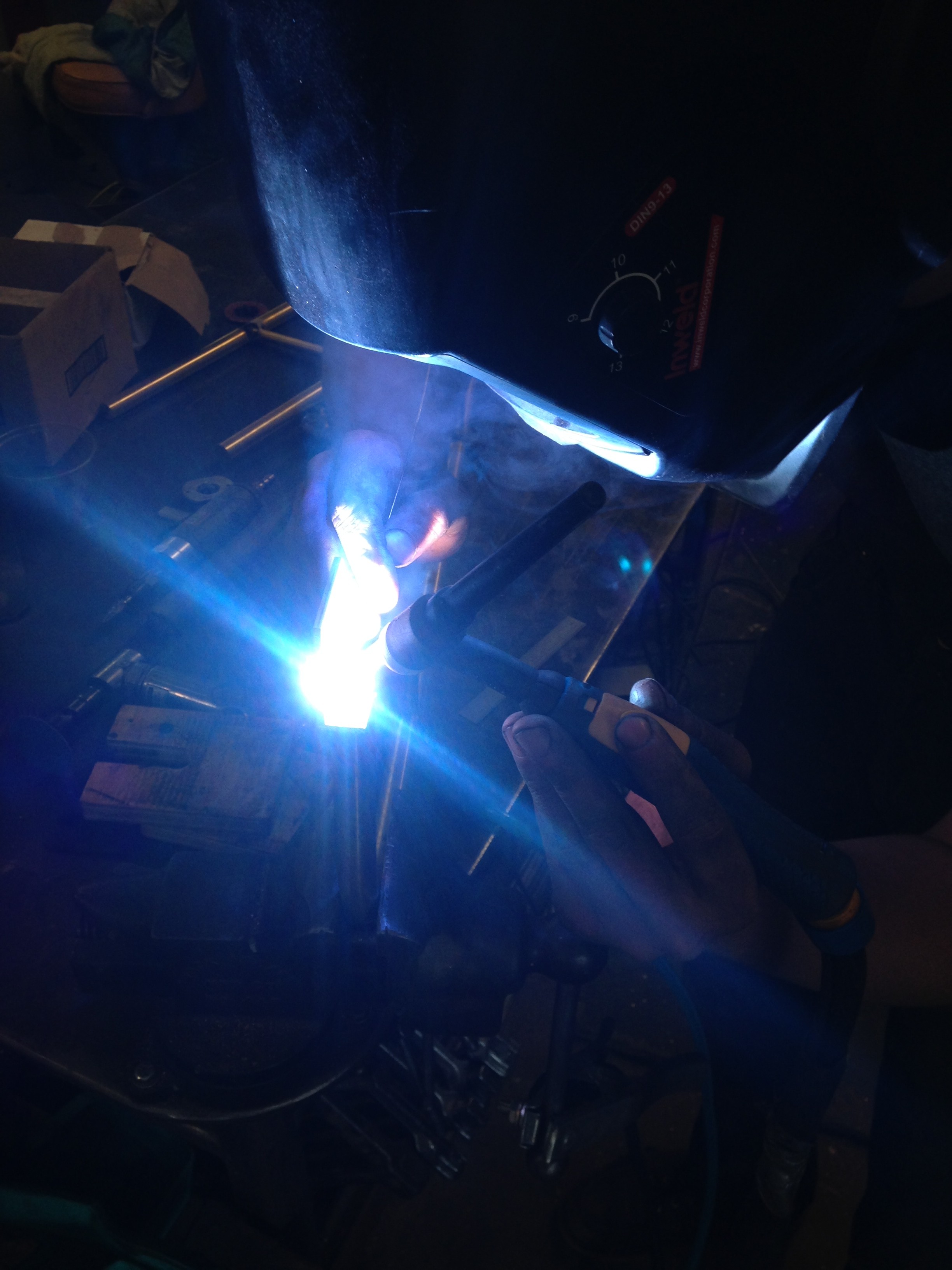
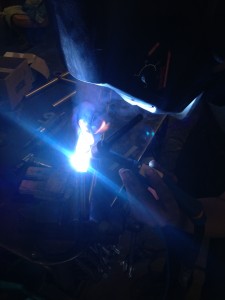
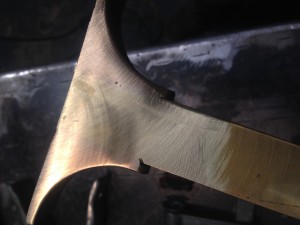
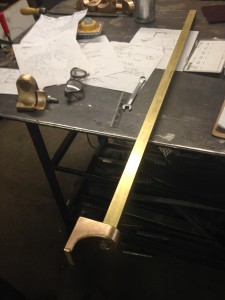
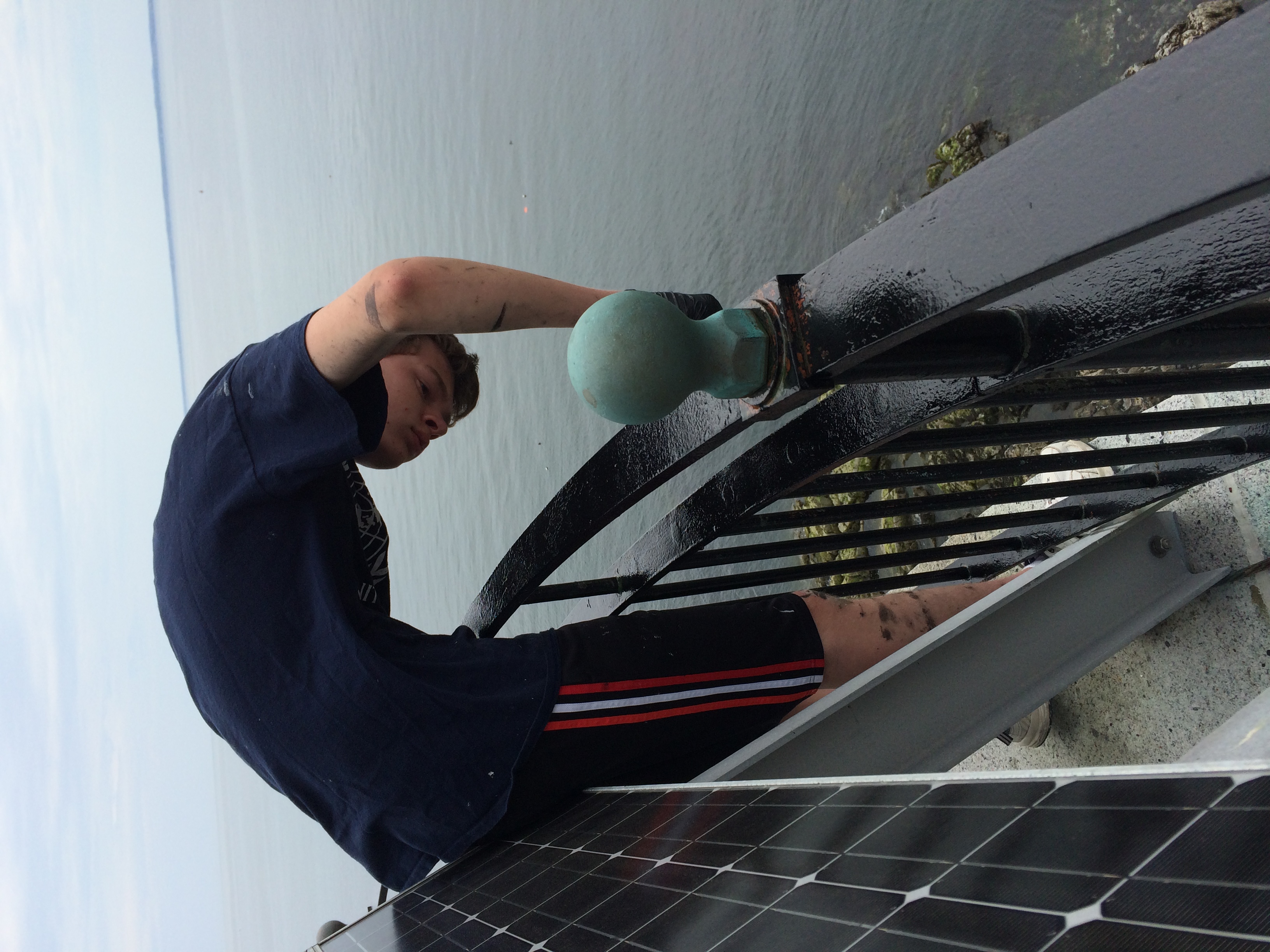
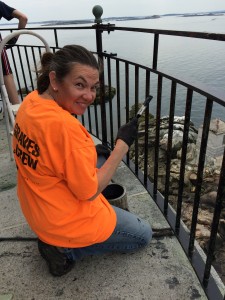
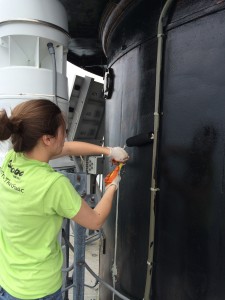
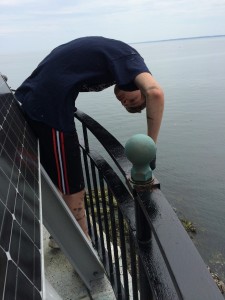
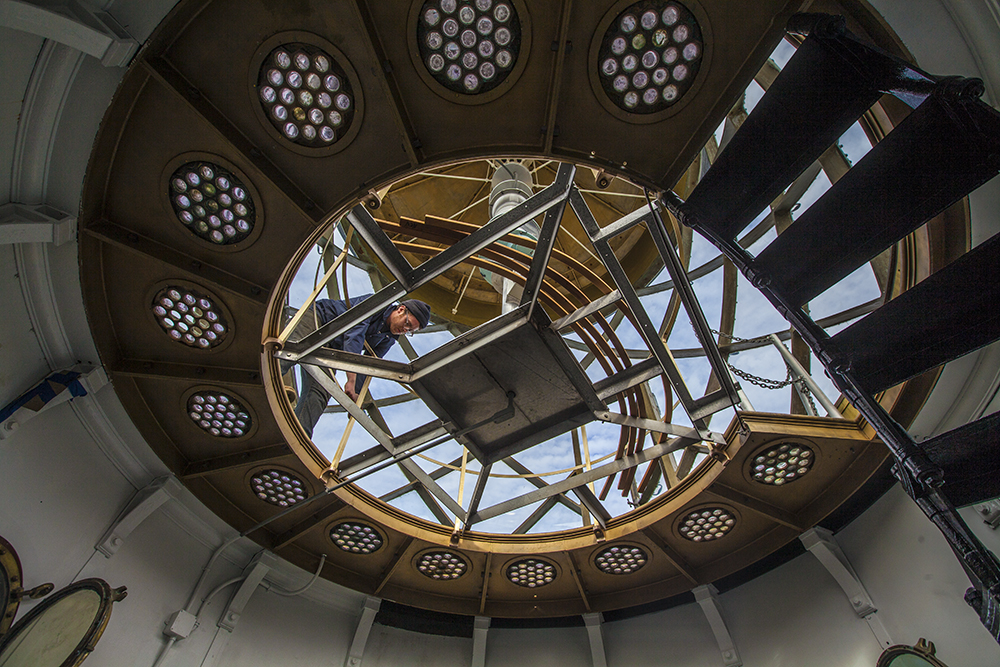
John builds the bronze lantern railing so that we can have an open area and still keep the beacon secure as a US Coast Guard aid to navigation.

John builds the bronze lantern railing so that we can have an open area and still keep the beacon secure as a US Coast Guard aid to navigation.

Remember those bronze castings we made over the winter? John and John from Nelson Metal Fabrication machined them to perfection and fitted pickets and rails made up in their Portland, Maine shop.
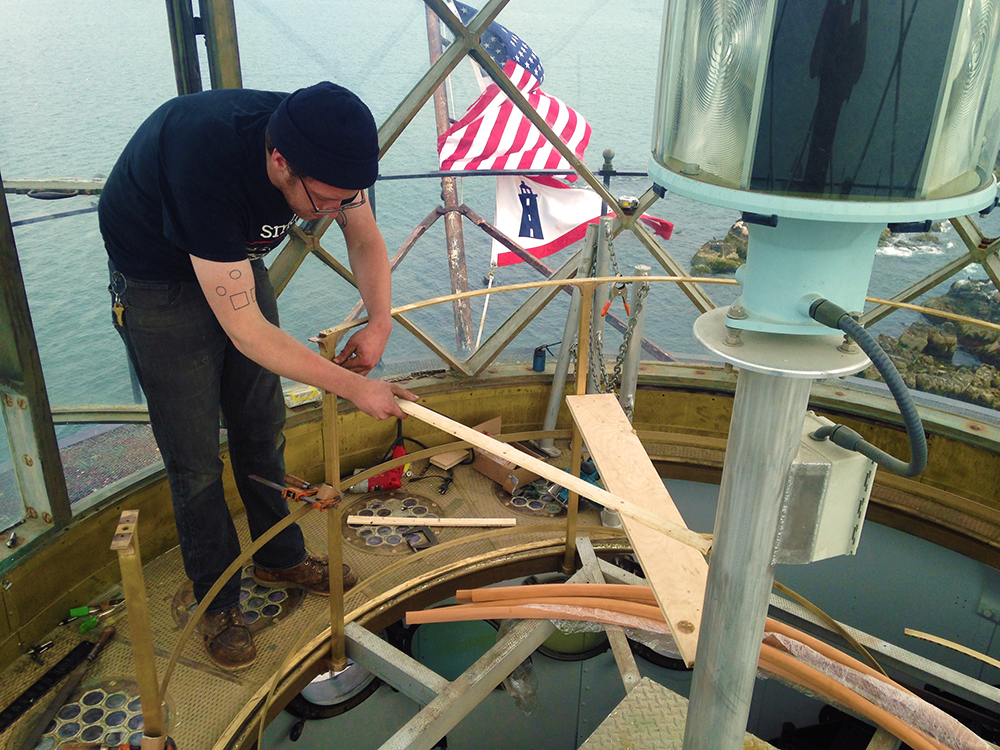
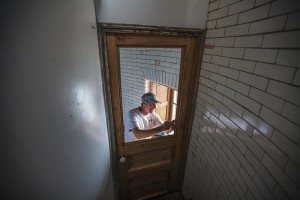
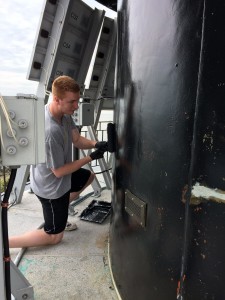
John installs the bronze lantern railing. The solar-powered beacon is visible at top right.

John installs the bronze lantern railing. The solar-powered beacon is visible at top right.

Then they brought them out to Graves and hoisted them up the ladder and into the lantern room.

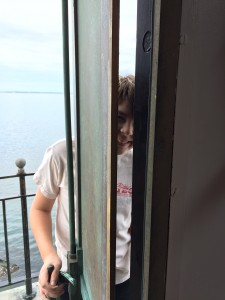
Three days later, the results are amazing.

Graves Light remains an active aid to navigation. We have to make sure that while we make as much use as we can of the lantern room, the topmost level of the tower, we have to keep the solar-powered lantern safe and free of obstructions. We also have to make sure it remains accessible to the Coast Guard for their maintenance visits.

Share Button

Oak ceiling is put in place

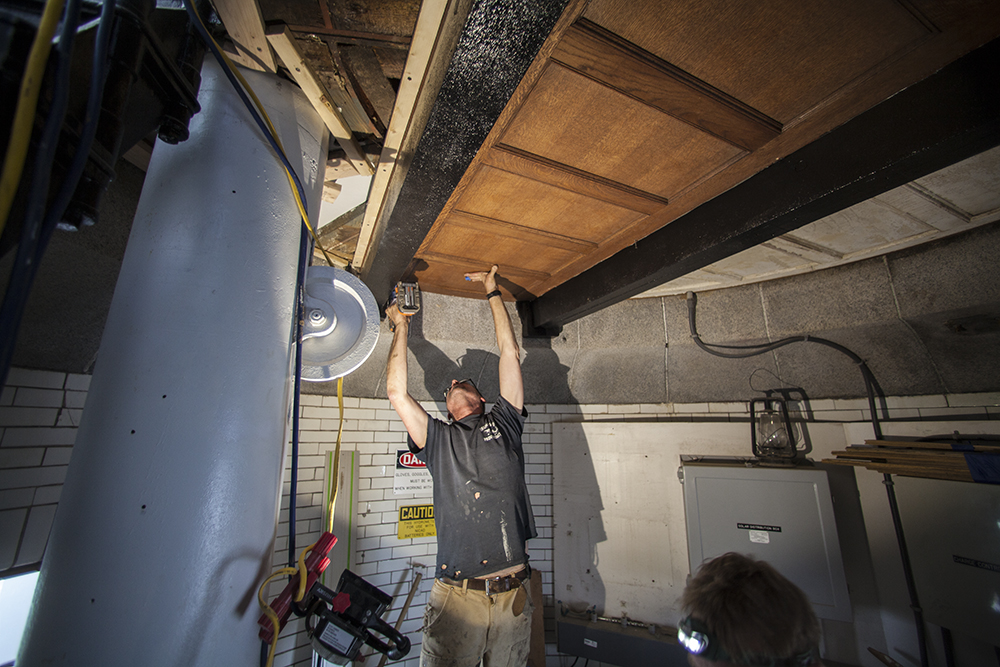
G installs the 5th floor ceiling

G installs the new 5th floor ceiling, an exact reproduction of the original, surviving parts of which were left in place.

Remember the oak ceiling we showed being built on Nantucket back in April? It’s now installed at Graves Light.

Karl installs the 5th floor ceiling

Karl Phillips puts the new oak ceiling panels in place.

Master carpenter Karl Phillips built perfect replicas at his Driftwood Construction shop, based on surviving original panels and the original architectural drawings.

Karl and G put the new oak panels in place up on the 5th floor library of the lighthouse. G is performing the trimming and shaping.

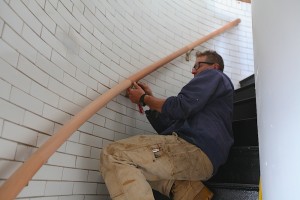
Karl did most of the other woodwork at Graves, too, including reconstructed oak windows based on the original casement design, interior oak window panels and sills, interior oak doors, and the mahogany staircase handrails.

As we’d previously noted, we decided to leave the original damaged ceiling panels in place, covering them with the new ones to give some future renovators a surprise.

Share Button

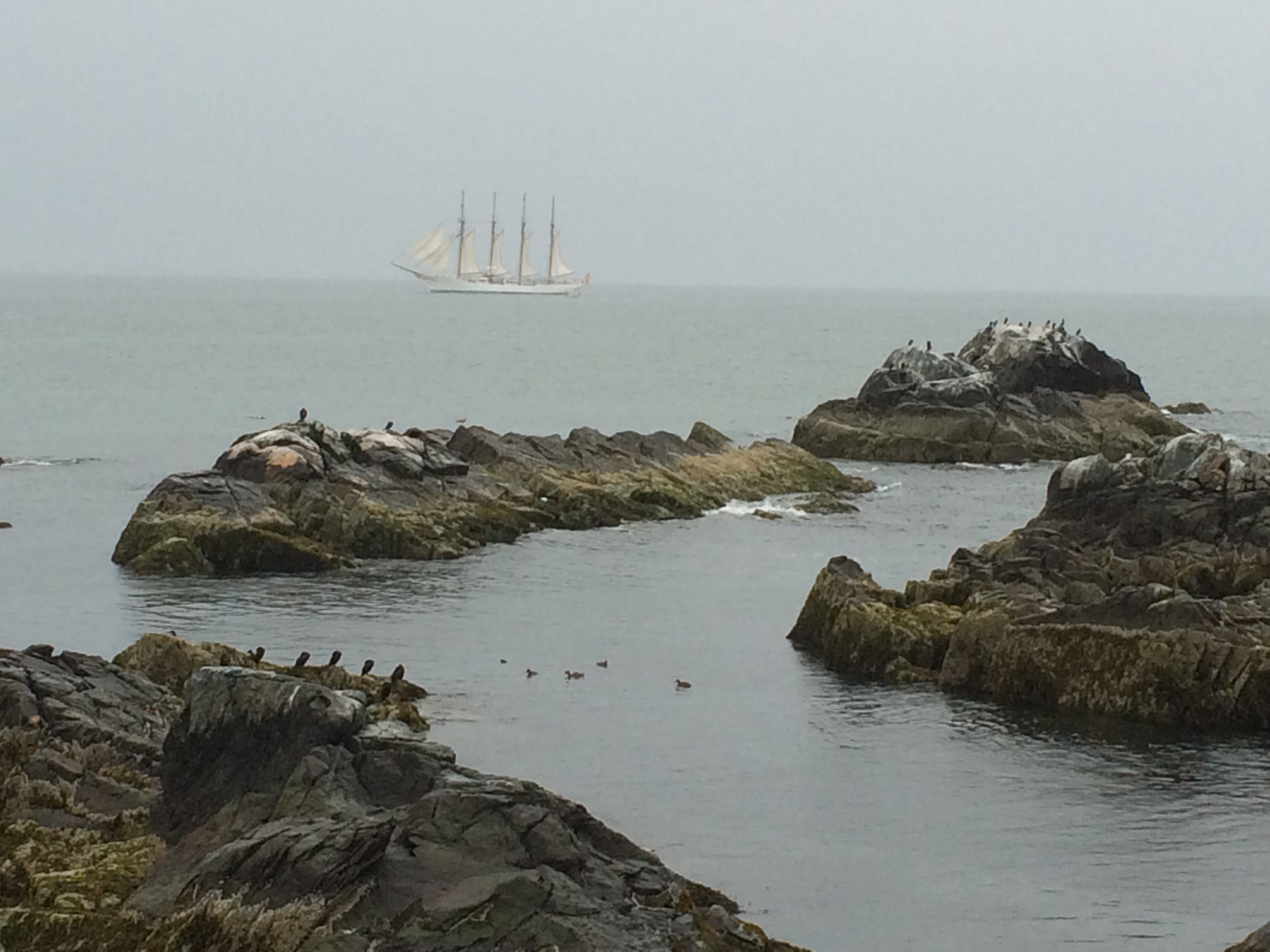
Royal Spanish Navy tall ship passes Graves Light

Royal Spanish Navy barquentine Juan Sebastian Elcano passes Graves Light on June 15, 2015.

Royal Spanish Navy barquentine Juan Sebastian de Elcano passes Graves Light on June 15, 2015.

The third-largest tall ship in the world treated us to an early-morning visit, of sorts, here at Graves Light.

Juan Sebastian de Elcano, the four-masted brig-schooner of the Royal Spanish Navy, has been seen off the New England coast recently. Today, the majestic training ship, with its crew of 197, passed Boston Harbor. The steel-hulled masterpiece is 370 feet long. (Here are some close-up shots.)

We remember first seeing this beautiful vessel as kids with our dad during OpSail ’76, when the Elcano visited Boston to celebrate our nation’s bicentennial. That day was also the first time we set eyes on Graves Light, from our dad’s Tanzer-22 sloop.

Juan Sebastian de Elcano – named after the great Spanish explorer who captained Ferdinand Magellan’s circumnavigation of the earth – has logged more nautical miles than any other sailing vessel in history. Since its keel was laid in 1927, the Elcano has sailed 2 million nautical miles.

We call it a brig-schooner because that’s what the Royal Spanish Navy calls it on its English website. However, on the official Spanish-language version, the vessel is called a “barque,” which would also make it a “barque” or “bark” in English. Others call it a brig, because of the square rig of its foremast, or a barquentine.

We don’t pretend to be experts on the rigging of sailing vessels. We’re just excited that the great Spanish sailing ship passed by today.

Share Button

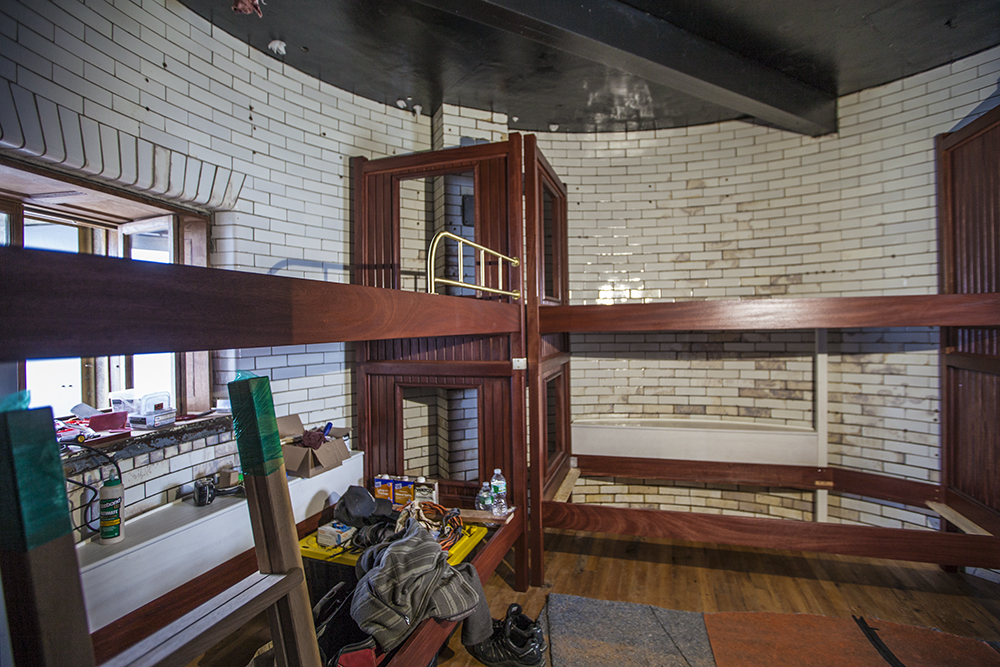
Bunk room ‘almost ready’ – lots more work going on

First look at the new Bunk Room at Graves Light, June 2015.

First look at the new Bunk Room at Graves Light, June 2015.

What an amazing week out at Graves!

Carpenters Nat, Karl, Will, and Peter are installing the new mahogany stair rails (see where brass castings of the original fixtures were made) and bunk beds, finishing the windows, and hanging the interior doors.

We’ve never seen this level of activity inside the tower, and it’s really getting exciting out here.

As a safety test, the carpenters camped out a couple of nights. They proclaim the bunk room “almost ready.”


Share Button

New brass castings set to restore mahogany handrail

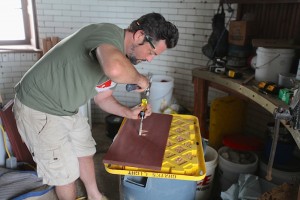
John Nelson at work on the new brass fittings we custom-cast to restore the handrail system.

John Nelson at work on the new brass fittings we custom-cast to restore the handrail system.

Here’s a sneak peek from John Nelson’s metal shop in Portland, Maine.

John is coming down to install a beautiful reproduction of the original railing system, complete with a mahogany handrail.

Over the winter, we designed and cast some of the brass parts for this railing. It will be exciting to see the finished results. Of course we’ll keep everyone posted.

Follow John Nelson on Instagram @nelsonmetalfab, and like his shop, Nelson Metal Fabrication, on Facebook.

Share Button

Refinishing the old oak floor

GL floor1 2015.06.06
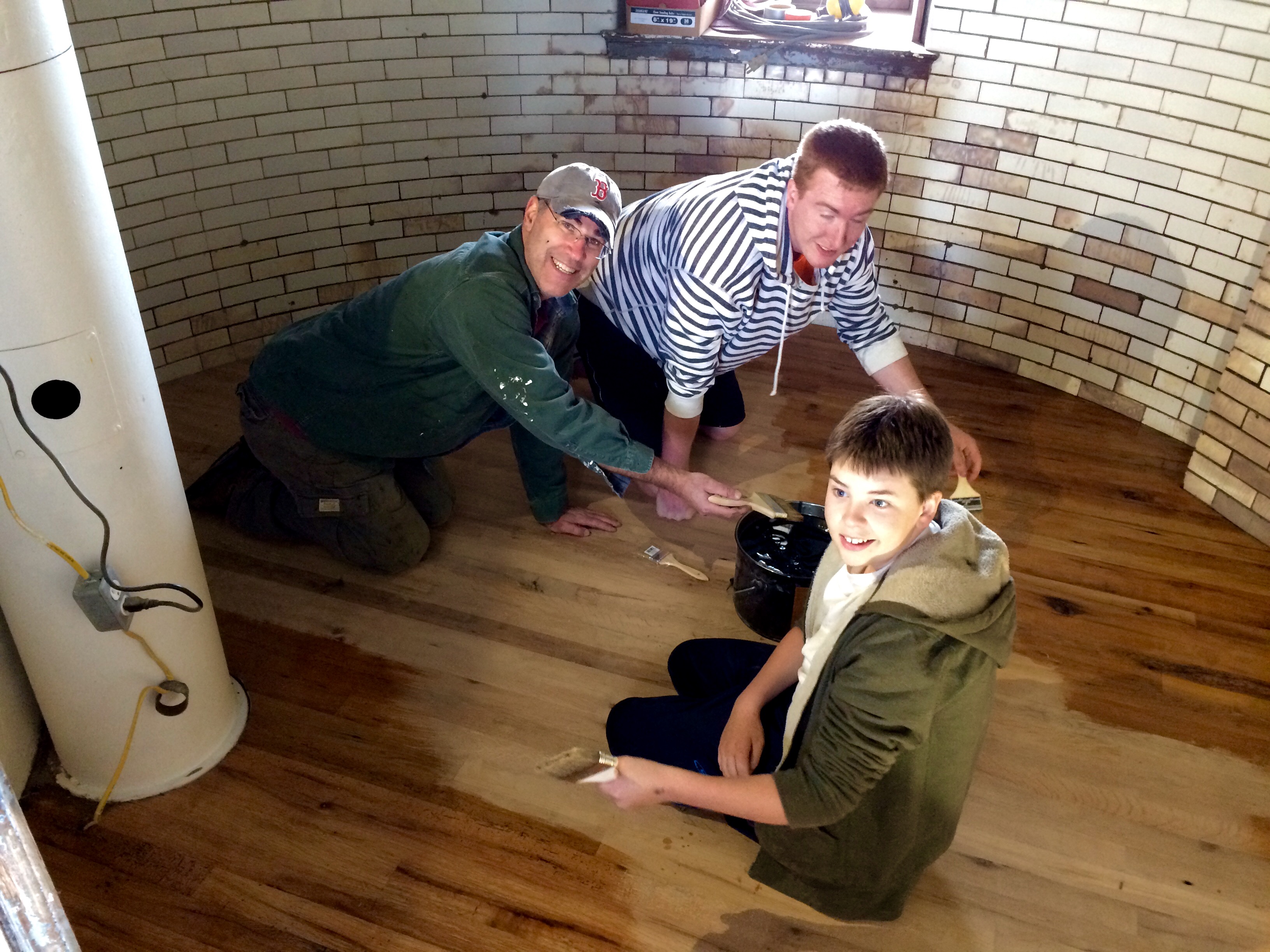
Busy day on station. We finished painting the watch deck this weekend, and managed to cover everyone in black paint.

Then we sanded and coated the bunk room floor in anticipation of the arrival of our new bunk beds this week.

That old oak floor sure does look fresh, thanks to Jack, Emmett and Matt. Meanwhile, Wyatt and Paul took care of the rest of the watch deck.


Share Button

A baby seal plays under the boat

Gl seal 2015.06.06
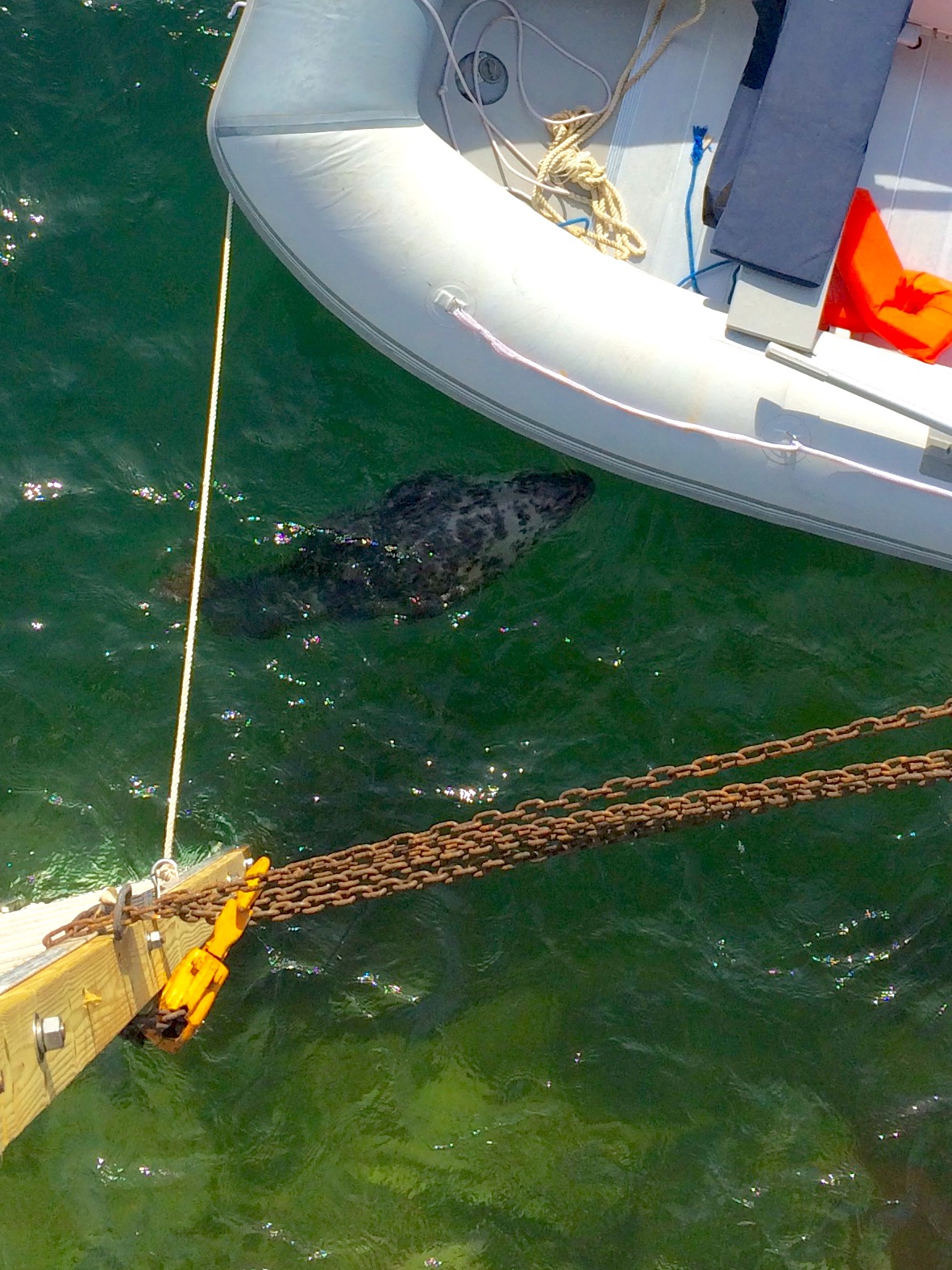
A baby seal plays under the boat that’s tied to the Graves Light pier.

Share Button

Discovered: Original Fresnel Lens rotation mechanism

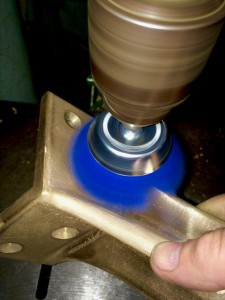
Polishing a century of grime from one of the brackets of the original First Order Fresnel lens rotation mechanism.

Polishing a century of grime from one of the brackets of the original First Order Fresnel lens rotation mechanism.

Ever wonder how the giant First Order Fresnel lens rotated to produce that smooth, sweeping beam lf light?

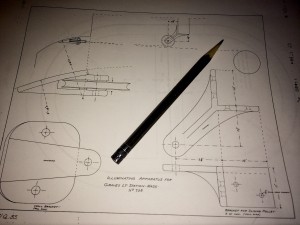
The good guys at the US Coast Guard revealed the secret by sending us the old engineering drawings of parts of the original mechanism, which are still bolted to the 5th level ceiling.

Since that ceiling is being restored, we figured we’d take the mechanism down and clean it up, which we did this week at home.

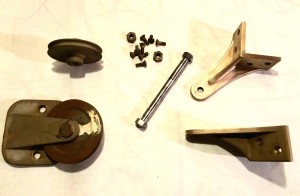
Here’s how it worked: Every two hours the Keepers wound a 300-lb weight up a 50-foot tube using a hand crank. The weight was connected by a series of pulleys (pictured) and connected to a big clockwork device, which regulated the speed and drove a gear that spun the two-ton lens.

The system was converted to an electric motor long ago, but happily the Coast Guard left all the old stuff in place, which made it possible for us to tell the story.


Share Button

On the watch deck for second paint party of 2015

The second paint party of the season got underway Memorial Day weekend as the watch deck got a fresh coat of regulation black epoxy paint.

Local harbor seals and early striped bass fishermen all crowded in for a good look at our progress.

We got about four-fifths of it done before we ran out of paint and out of steam. It was hard work.

Hats of to Jack S and the Firehouse Gang. The deck probably hadn’t had a coat of paint in over 20 years.

Share Button

Springtime stabilization & restoration begins

Karl Phillips installs a faithful replacement of the original oak window sills.

Karl Phillips installs a faithful replacement of the original oak window sills.

A busy springtime week at Graves Light.

Karl Phillips, our master carpenter, puts the finishing touches on the new oak window sills and paneled surrounds that he made over the winter at his Nantucket workshop.

There are nine of these square windows at Graves Light.

Last year, Karl built exact reproductions of the original casement windows, installing them in time for winter to replace the un-authentic glass block that the Coast Guard had installed for easy maintenance once the original windows deteriorated.

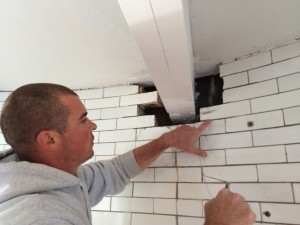
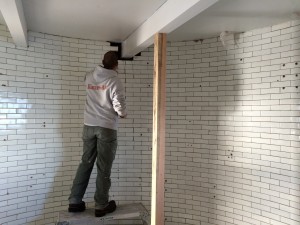
Meanwhile, Mike and Brian Sylvester of CCI, who cleaned and pointed the outside of the tower last season, are now inside the lighthouse. They’re removing the rust that was eating away at the steel floor joists.

As the joists rusted, the expanding iron crushed and split the interior wall, breaking up the curved glazed bricks. About five of the joists need to be excavated from the walls, cleaned and painted, and the brick space around them re-tiled.

The “tiles” are actually glazed bricks. To do the re-tiling, we’re going to steal some curved glazed bricks from under the stairs, to keep the walls original.


Share Button